
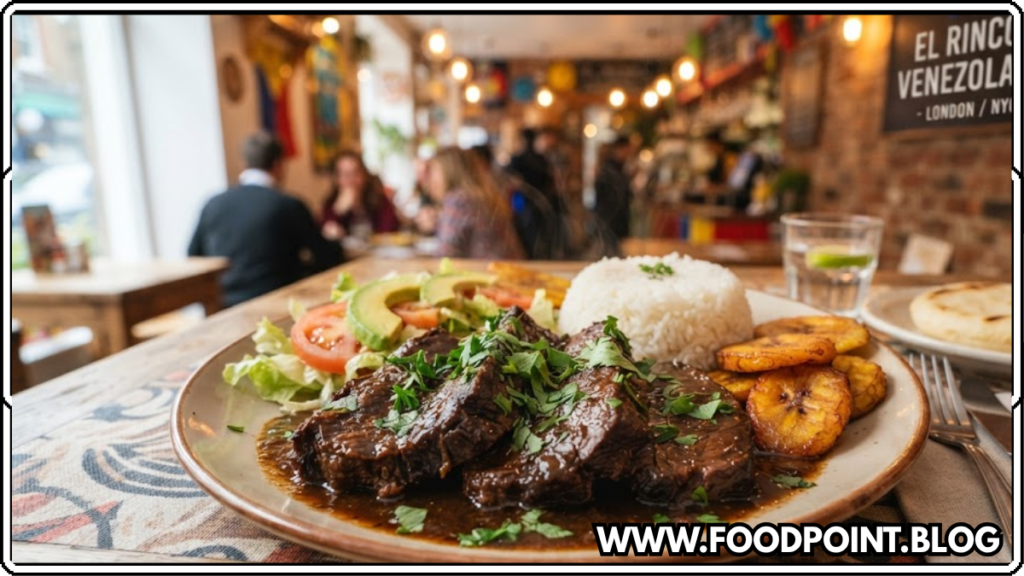

The first time I tasted authentic best asado negro near me became more than just a search phrase—it became a delicious mission. One bite of the rich, caramelised beef, coated in its deep mahogany sauce, explained why Venezuelans proudly serve this dish during family celebrations, holidays, and Sunday gatherings. The meat was incredibly tender, the sauce balanced sweet and savoury flavours beautifully, and every forkful felt comforting without being heavy.
Unlike ordinary pot roast, asado negro requires patience and careful cooking. The signature dark colour comes from slowly caramelising sugar before braising the beef for hours, creating a glossy sauce that’s both slightly sweet and intensely beefy. It’s a dish that rewards skilled cooking and quality ingredients.
Whether you’re hoping to discover an authentic Venezuelan restaurant, planning a culinary trip, or preparing this classic recipe in your own kitchen, this guide will help you find, make, and truly understand asado negro better than ever.
World’s Best Restaurants for Asado Negro
Authentic Venezuelan cuisine isn’t as widespread internationally as some Latin American cuisines, but several outstanding restaurants have earned loyal followings for their traditional cooking.
La Casa Bistro – Caracas, Venezuela
Few places represent Venezuelan home cooking better than La Casa Bistro in Caracas. Their chefs focus on traditional family recipes, serving beautifully braised asado negro with white rice, fried sweet plantains, and creamy mashed potatoes.
The beef is cooked until it practically falls apart, while the sauce achieves the perfect balance between caramel richness and slow-developed beef flavour.
Alto Restaurant – Caracas, Venezuela
Chef Carlos García has helped elevate Venezuelan cuisine at Alto. Although the menu changes seasonally, traditional dishes like asado negro occasionally receive refined, contemporary presentations while preserving authentic flavours.
Dining here demonstrates how classic recipes can feel elegant without losing their cultural identity.
Arepa Mia – Atlanta, Georgia, USA
Atlanta’s Venezuelan community has embraced Arepa Mia for years. While the restaurant is famous for gluten-free arepas, their rotating traditional menu frequently includes expertly prepared asado negro.
In my experience, restaurants that serve dishes only on selected days often prepare them with greater care than places offering enormous menus.
Budare Bistro – Miami, Florida, USA
Miami’s strong Venezuelan population makes it one of the best cities outside Venezuela to enjoy authentic cooking. Budare Bistro serves generous portions featuring slow-cooked beef alongside traditional accompaniments like black beans and rice.
The atmosphere feels welcoming and family-oriented, much like dining in a Venezuelan home.
Arepazo Bros – Madrid, Spain
Madrid has become home to a growing Venezuelan community, and Arepazo Bros introduces Spanish diners to traditional comfort foods beyond arepas. Their asado negro showcases authentic seasoning and long cooking times that preserve the dish’s heritage.
Panna II Latin Food Events – Tokyo, Japan
Although authentic Venezuelan restaurants remain rare in Japan, Venezuelan food festivals and pop-up dining events occasionally feature carefully prepared asado negro made by expatriate chefs eager to share their national cuisine.
Food lovers who’ve tried both homemade and restaurant versions often agree that the finest examples rely more on patience than complicated ingredients.
Best Restaurants in USA for Asado Negro
If you’re searching across America, several cities stand out for authentic Venezuelan cuisine.
Budare Bistro – Miami, Florida
Miami remains America’s Venezuelan food capital. Budare Bistro prepares comforting traditional dishes using recipes familiar to many Venezuelan families.
Tip: Visit during lunch hours when daily specials often include traditional stews.
Arepa Mia – Atlanta, Georgia
Chef-driven and community-focused, Arepa Mia frequently rotates authentic Venezuelan classics onto the menu.
The slow-cooked beef develops remarkable tenderness without becoming dry.
Doggi’s Arepa Bar – Miami, Florida
Known primarily for arepas, Doggi’s also offers hearty Venezuelan entrées, including seasonal servings of asado negro prepared with classic side dishes.
Tip: Ask whether the dish is available before arriving since it isn’t always served daily.
Sabor Venezolano – Orlando, Florida
A favourite among Venezuelan expatriates, this restaurant focuses on traditional recipes rather than modern fusion cooking. Their generous portions make it popular for family meals.
Best Places in UK for Asado Negro
Authentic Venezuelan restaurants have grown steadily throughout Britain, especially in London.
Arepa & Co – London
Among London’s best-known Venezuelan restaurants, Arepa & Co occasionally features traditional slow-cooked dishes alongside its famous arepas.
Customer reviews consistently praise the authentic flavours and welcoming atmosphere.
Pabellón – London
Specialising in Venezuelan comfort food, Pabellón celebrates national classics prepared with traditional ingredients whenever possible.
Its ratings across major review platforms generally remain above 4 stars.
Caracas Grill – London
This independent restaurant introduces British diners to classic Venezuelan recipes beyond street food.
Their kitchen focuses on generous portions and authentic seasoning.
La Pepia – London
Known for handmade arepas and rotating traditional dishes, La Pepia sometimes offers asado negro during special events or seasonal menus.
Tip for UK readers: Search Google Maps using terms like “Venezuelan restaurant near me” rather than only searching for asado negro. Since the dish isn’t available daily everywhere, checking recent customer photos or calling ahead can save disappointment.
What Is Asado Negro?
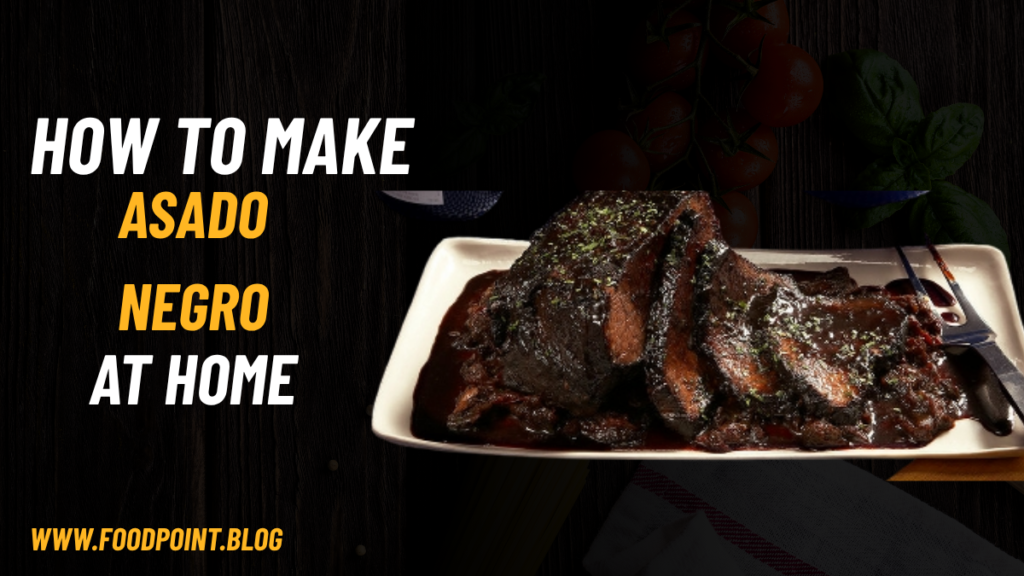
Asado negro is one of Venezuela’s most treasured beef dishes. A large cut of beef—usually eye round or top round—is slowly browned, braised, and cooked until exceptionally tender inside a rich, dark sauce created by caramelised sugar, stock, vegetables, herbs, and spices.
The dish dates back centuries, influenced by Spanish cooking traditions blended with local Venezuelan ingredients and techniques. Today it’s considered one of the country’s signature festive meals.
Main Ingredients
- Beef eye round or top round
- Brown sugar
- Onion
- Garlic
- Bell pepper
- Beef stock
- Red wine (optional)
- Worcestershire sauce
- Tomato paste
- Bay leaves
- Black pepper
- Salt
- Vegetable oil
A high-quality asado negro should have fork-tender meat, a silky sauce, and deep caramel notes without tasting burnt. Poor versions often rush the caramelisation process, producing bitterness instead of balanced sweetness.
How to Make Asado Negro at Home — Step by Step
Preparation Time: 20 minutes
Cooking Time: 3½–4 hours
Servings: 6–8
1. Prepare the Beef
Pat the beef dry and season generously with salt and black pepper.
Allow it to sit at room temperature for about 20 minutes before cooking for more even browning.
2. Make the Caramel
Heat oil in a heavy Dutch oven.
Carefully add brown sugar and cook until it turns deep amber.
Pro tip: Watch constantly—perfect caramel develops quickly and burns even faster.
3. Brown the Beef
Place the beef into the caramel, turning carefully to coat every side.
This creates the signature dark exterior that gives the dish its name.
4. Add Aromatics
Add chopped onions, garlic, peppers, tomato paste, Worcestershire sauce, bay leaves, and beef stock.
Some cooks also include a splash of dry red wine for additional depth.
5. Slow Braise
Cover tightly and cook over low heat for approximately three hours.
Turn the beef every 45 minutes to ensure even cooking.
Pro tip: Low, gentle heat produces far more tender meat than boiling.
6. Rest Before Slicing
Remove the beef and allow it to rest for 15 minutes.
Slice thinly across the grain before returning the slices to the sauce.
7. Finish the Sauce
Reduce the cooking liquid if necessary until glossy and slightly thickened.
Taste and adjust seasoning carefully.
Common Mistakes
- Burning the sugar instead of caramelising it.
- Cooking at too high a temperature, which toughens the meat.
- Skipping the resting period before slicing.
Serve with steamed white rice, mashed potatoes, fried ripe plantains, black beans, or crusty bread to soak up every drop of sauce.
Frequently Asked Questions
Where can I find the best asado negro near me?
Search for Venezuelan restaurants in your city rather than looking only for the dish itself. Many restaurants prepare asado negro as a weekend or special menu item instead of serving it daily.
What cut of beef is best for asado negro?
Eye round and top round are traditional choices because they become wonderfully tender after several hours of slow braising while holding their shape.
Is asado negro sweet?
It has a subtle sweetness from caramelised sugar, but the overall flavour remains savoury. The sweetness should complement the beef rather than dominate it.
What side dishes go with authentic asado negro?
White rice, mashed potatoes, fried sweet plantains, black beans, and avocado salad are among the most traditional accompaniments served throughout Venezuela.
Can I make asado negro in a slow cooker?
Yes. Brown the meat and prepare the caramel first, then transfer everything to a slow cooker for 7–8 hours on low. This method works especially well for busy home cooks.
How do I find authentic Venezuelan restaurants serving asado negro?
Search using phrases like “authentic Venezuelan restaurant near me” or “traditional Venezuelan food near me.” Checking recent online menus or calling ahead is often the quickest way to confirm availability.
Final Thoughts
Searching for the best asado negro near me is really a search for authentic Venezuelan hospitality. This dish tells a story of patience, family traditions, and remarkable flavour built slowly over hours rather than minutes.
Whether you discover it in Caracas, Miami, London, or recreate it in your own kitchen, a properly prepared asado negro delivers the kind of meal people remember long after the plate is empty. If you come across a Venezuelan restaurant nearby, don’t hesitate to order it—you might just discover your next favourite comfort food. Happy eating!
Read More Blogs